What makes a small business website bring customers
It is found.
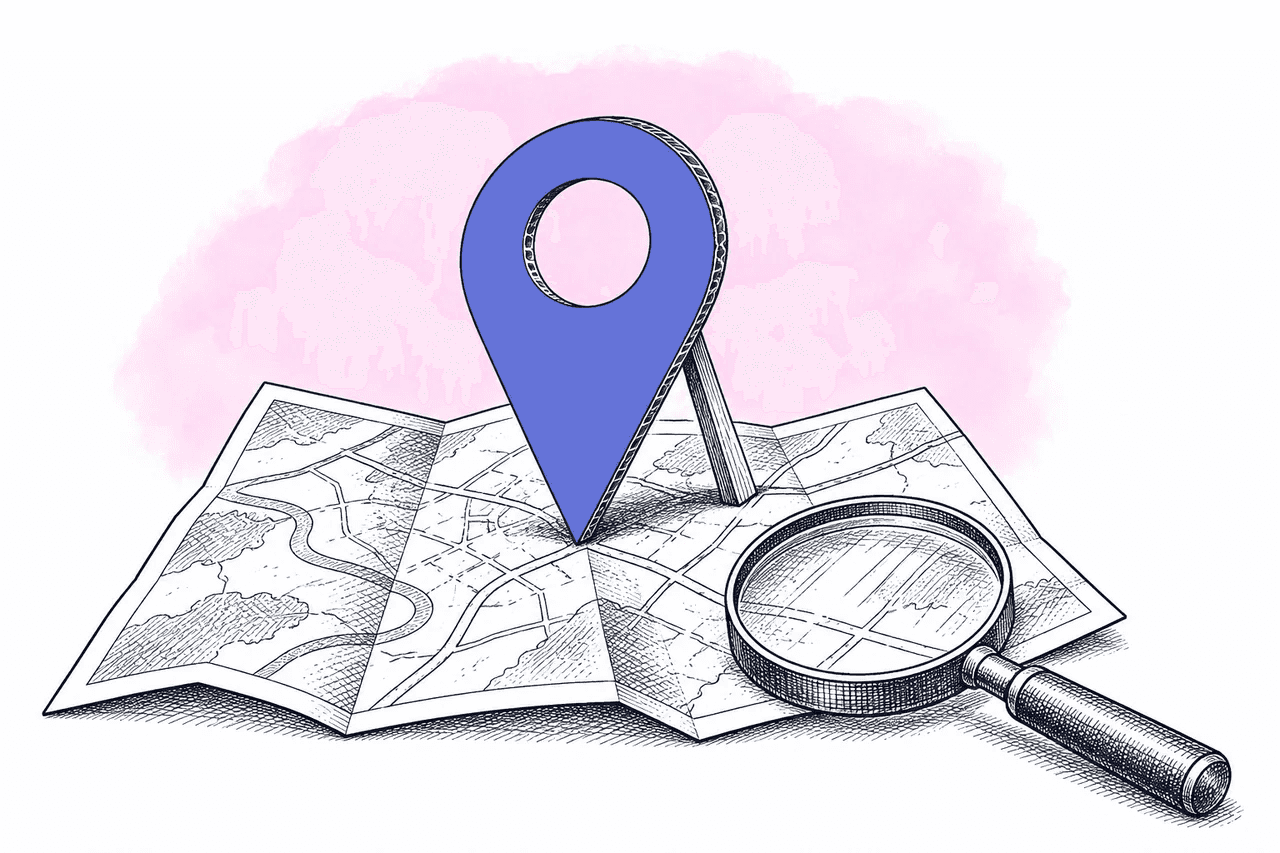
Each service and each area you serve has its own page, written in the words customers search. One page that lists every service cannot answer twelve searches at once.
It is understood.
Every word, price and answer sits in the page HTML, where search engines and assistants read it. Text inside images or loaded by scripts is often invisible to them.
It converts.
The visitor sees what you do, why to trust you and how to reach you without scrolling or hunting. How to raise that share is the subject of our guide to conversion rate optimization.
It is measured.
Every call tap, form and booking is recorded with the source the visitor came from, so you know which part of the marketing pays. That is lead tracking.
A site that only looks good is a brochure: people who already know you visit it, and nobody else finds it.
The details
A site that brings customers is built around the questions people ask before they buy, one page per question that deserves its own answer, and it is measured by the calls and bookings it produces.
This is how we build websites for LA businesses: the page list comes from what customers search and ask, and the tracking ships with the site.
The five-second test
The five-second test checks whether your first screen says what it must. Open your homepage on a phone, show it to someone who does not know your business for five seconds, then take the phone away and ask three questions:
The five-second test How it works: three questions after five seconds
- What does this business do?Fails: "Premium solutions for your home". Passes: "Upholstery and carpet cleaning in Los Angeles".
- Where does it work?Passes when the city or area is in that same first line.
- How would you contact it?Fails: a phone number in the footer. Passes: a call button at the top.
The details
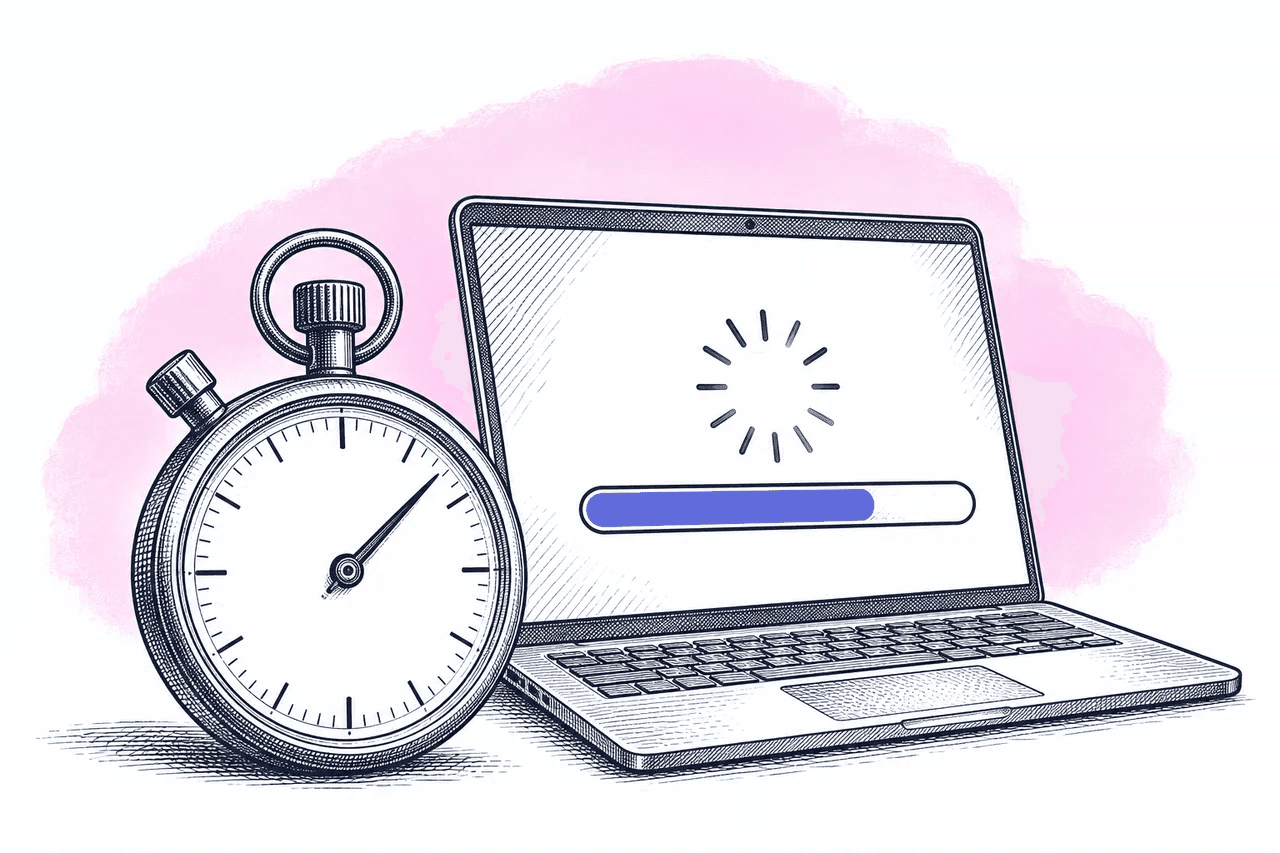
A missed answer is a missing line. "Premium solutions for your home" fails the first question; "Upholstery and carpet cleaning in Los Angeles" passes it. A phone number in the footer fails the third; a call button at the top passes it. The test assumes the page has already appeared. How fast it must appear is a separate question, covered in website speed and SEO under the three-second rule.
What every business website should include
Every local business website should include these, and the first page should carry the first four:
One line that says what you do and where.
In the words customers use: "mobile car detailing in Beverly Hills", not a slogan.
One main action.
Call, text or book, as a button a thumb can hit, repeated where a reader decides. One action per page beats five competing ones.
Proof.
Reviews with names, photos of your real work, numbers you can stand behind. Stock photos of smiling strangers prove nothing.
Contact details.
Phone, the area you serve or your address, and hours, in text, the same as on your Google listing.
A page per service and per area.
Each with what it is, what it costs or how pricing works, and the questions people ask about it.
Answers to the common questions.
Price, timing, what is included, what to expect. Waterfall's site answers them across its 113 pages.
Tracking.
Calls, texts, forms and booking taps recorded with their source from the first day.
Access for everyone.
Readable contrast, labeled forms, buttons large enough to tap. See website accessibility, WCAG and the ADA.
The details
If you are starting from nothing, how to build a website for your business walks through the build, the timeline and a launch checklist.
Trust: what makes a website credible
A visitor trusts a site that looks like a real business they could call today.
The details
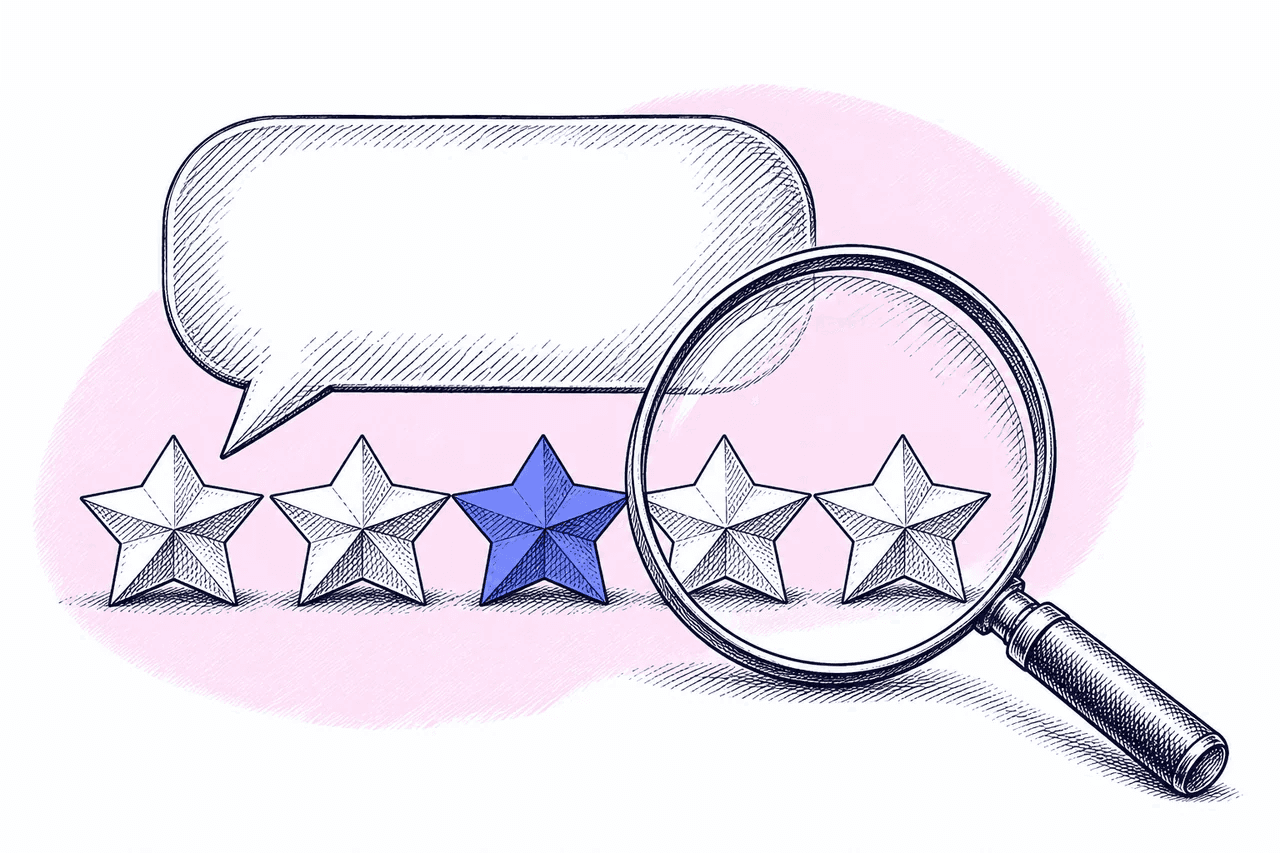
That comes from details, not design: a real name that matches the Google listing, a phone number and service area on the first screen, photos of your own jobs, reviews that link to where they were left, and prices or at least how prices are set.Waterfall's site carries 23 video reviews from its own customers; a short clip of a real client beats any badge.
The same details make you readable to ChatGPT. It names the business it can identify: one name, one phone, one area, the same on the site, the listing and the directories.
Which of those details ChatGPT repeats, page by page: the lines it quotes from an About page are in what to put on a small business About page, license numbers in should your license number be on your website, and prices in should you publish prices on your website. A practice whose patients choose a doctor needs doctor bio pages, and a business that serves customers in more than one language needs multilingual pages.
Common website mistakes
These are the mistakes we find most often when we audit a local business site:
The phone number is not tappable
, or it sits only in the footer.
One page for every service.
It cannot rank for twelve different searches, and it answers none of them well.
Slow on a phone.
Large images and third-party scripts on a mid-range phone over a cell connection. See website speed and SEO.
Words that machines cannot read
text baked into images, prices in a PDF, content loaded only by scripts.
A template builder that cannot grow
into dozens of service and area pages with their own structured data. Is Wix or Squarespace good enough for local SEO covers what they do and do not do; WordPress vs Squarespace vs Wix vs custom compares the platforms.
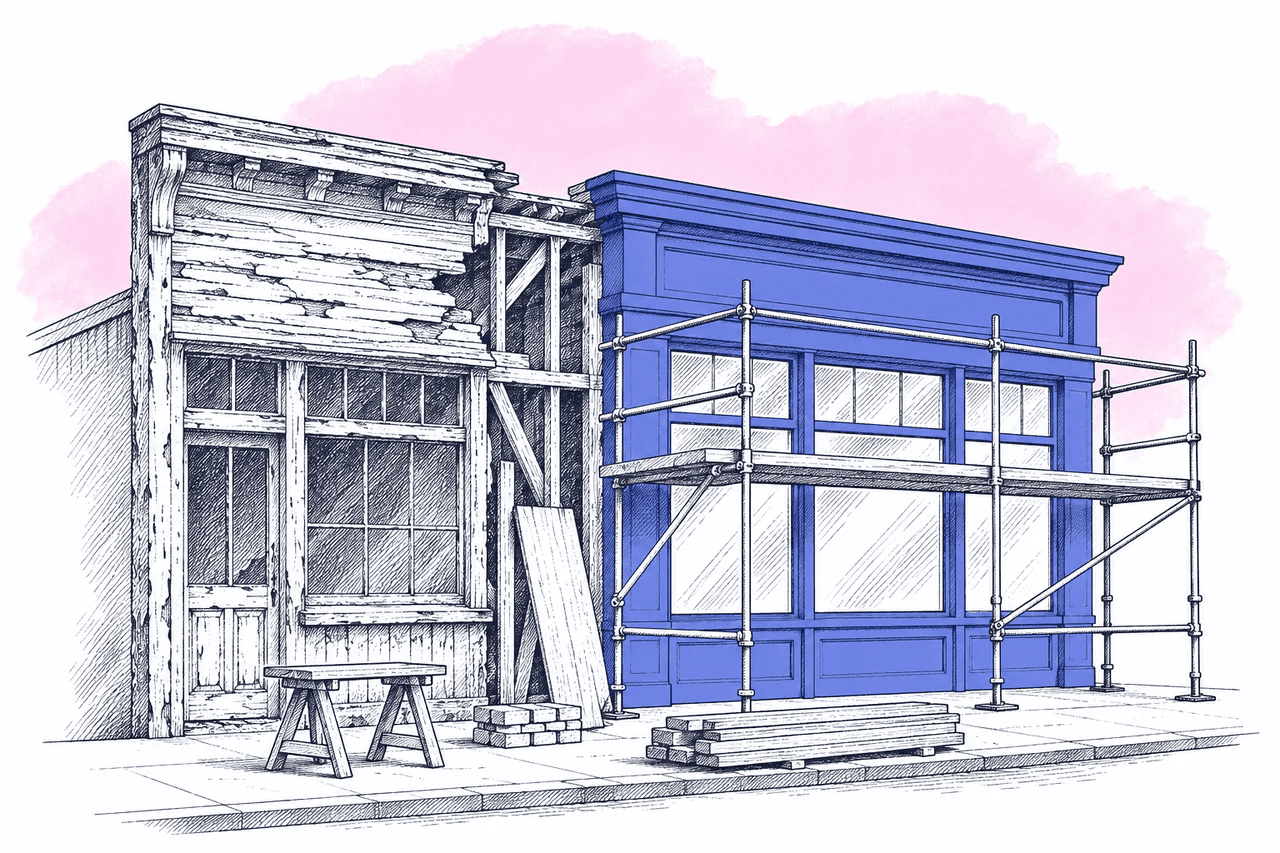
A redesign that drops the old URLs.
Pages that ranked return errors, and their rankings go with them. Website redesign and SEO covers how to move without losing them.
No tracking.
The site may be bringing customers; nobody can say how many.
Do you still need a website in 2026?
Nizo Luxury: Google search clicks June 2026
870 from searches its Google listing answered (72%)
332 other search clicks (28%)
Yes, if customers search for what you do. A Google Business Profile and an Instagram account can bring calls, and for some searches the listing does most of the work: for Nizo Luxury, 870 of 1,202 search clicks in June 2026 (72%) came from searches its Google listing answered.
Nizo Luxury: where the site's bookings show up booking records and the CRM
paid bookings through the new site. Booking records, Aug 22 to Nov 17.
Google organic + ChatGPT, as the CRM attributed them. CRM, Aug 22 to Nov 8.
Nizo Luxury: Google Search clicks per week Search Console, complete weeks
The full answer
But a listing is a few fields on Google's terms. It cannot hold a page per service and area, it cannot answer the questions people ask before they buy, and ChatGPT reads little from it beyond the basics.
The website is also where bookings show up. Nizo Luxury's new site took 66 paid bookings from August 22, 2026 to November 17, 2026. Its CRM attributed 13 bookings to Google organic and 6 to ChatGPT between August 22, 2026 and November 8, 2026. The site brings bookings, and you can see which ones.
A new site can change the whole Google picture. After Nizo Luxury's new site went live on August 22, 2026, its Google Search clicks rose from 8 a day to 85.6 a day (10.7×), seven-day averages in Search Console, three months apart.
A new site also gives you a clean way to be checked. MNG Beverly's site scored 100/100 for SEO and 100/100 for accessibility in Lighthouse in the post-launch audit on October 16, 2026.
Where to go next
If you have a site and want to know what it does and misses, the Growth Audit reads your website, your Google listing against your neighbors and what ChatGPT says about you, and ends in a written plan. If you need a new site or a redesign, see website development and the pricing page.
Questions
Do small business owners actually get leads from their website?
LA Ranks Marketing Agency traces leads to their source for its clients. For Nizo Luxury, its CRM attributed 13 bookings to Google organic visits to the website between August 22, 2026 and November 8, 2026. A website gets leads when people searching can find it and the next step is one tap away; without tracking, nobody can tell.
What is the five second test for a website?
Show the first screen of your site to someone who does not know your business for five seconds, then hide it and ask: what does this business do, where, and how do I contact it? Every answer they cannot give is something the first screen fails to say.
Is a Google Business Profile enough without a website?
It can bring calls, but it is a listing on Google's terms: a few fields, no page per service, and nothing ChatGPT can read beyond them. The website is where each service and area gets its own answer and where every lead can be traced to its source.
What should be on the first page of a website?
What you do and where, in one line; one main action (call, text or book) that works with a thumb; proof (reviews, real photos of your work); and your contact details, area and hours. Everything else can live one tap away.